

Cosplay: From Fan Expression to Global Creative Industry


Cosplay — the practice of dressing as characters from film, television, comics, anime, games, and original works — has evolved from a niche fan activity into a global creative industry. What began as a playful expression of fandom now sits at the intersection of art, performance, fashion, photography, and digital media.
Today, cosplay fills convention halls, dominates social media feeds, and supports full-time careers for both creators and photographers. But its rise has been decades in the making.
Early Origins: Costuming as Fandom
The earliest documented instance of cosplay dates back to 1939, at the World Science Fiction Convention in New York City. Attendees Forrest J. Ackerman and Myrtle R. Douglas arrived wearing futuristic costumes inspired by science fiction magazines, setting a precedent for fan participation beyond simply attending panels or lectures.
In the decades that followed, costuming became increasingly visible at science fiction gatherings, especially among fans of Star Trek. These early cosplayers were not competing for attention or internet recognition — they were signaling belonging within a growing fan culture.
Japan and the Birth of “Cosplay”

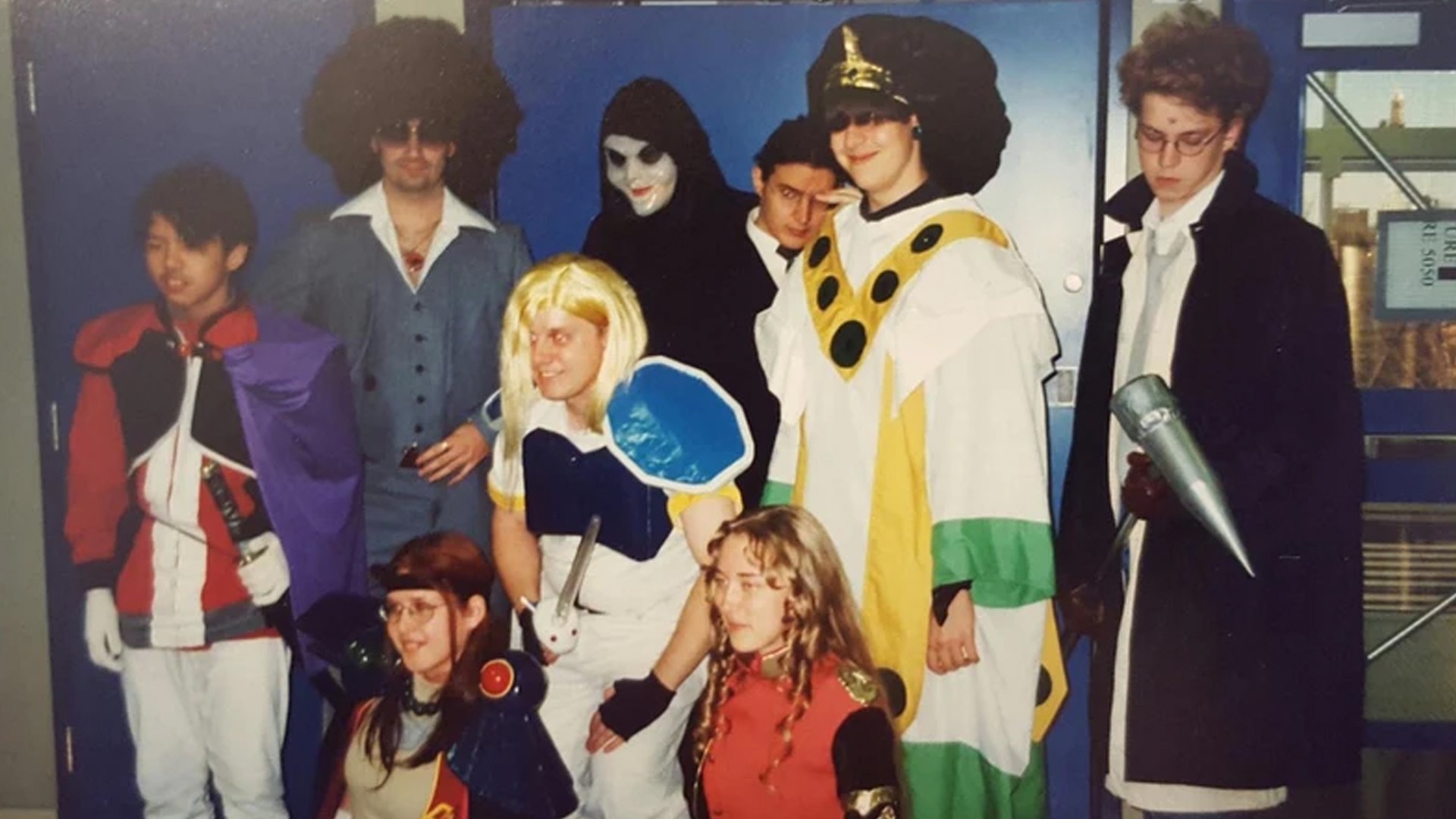
The modern concept of cosplay took shape in Japan during the 1980s. In 1984, Japanese journalist Nobuyuki Takahashi coined the term “cosplay” after attending Worldcon in the United States. The idea quickly took hold in Japan, where anime and manga fandom were already deeply embedded in youth culture.
By the 1990s, cosplay had become a central feature of fan conventions like Comiket, as well as street fashion scenes in districts such as Harajuku. Japanese cosplay emphasized craftsmanship, character embodiment, and group performance — elements that continue to shape global cosplay standards today.
The Convention Boom and Global Expansion
Cosplay’s international expansion accelerated in the early 2000s as comic and anime conventions grew into large-scale cultural events. Shows like Comic-Con International and New York Comic Con became annual destinations for fans, creators, and media alike.
As convention floors expanded, so did expectations. Costumes became more detailed. Props grew more elaborate. Cosplay contests evolved into stage productions with lighting, choreography, and narrative performance.
This period also marked a shift: cosplay was no longer just participatory fandom — it was becoming an art form worthy of documentation.
The Rise of Professional Cosplayers

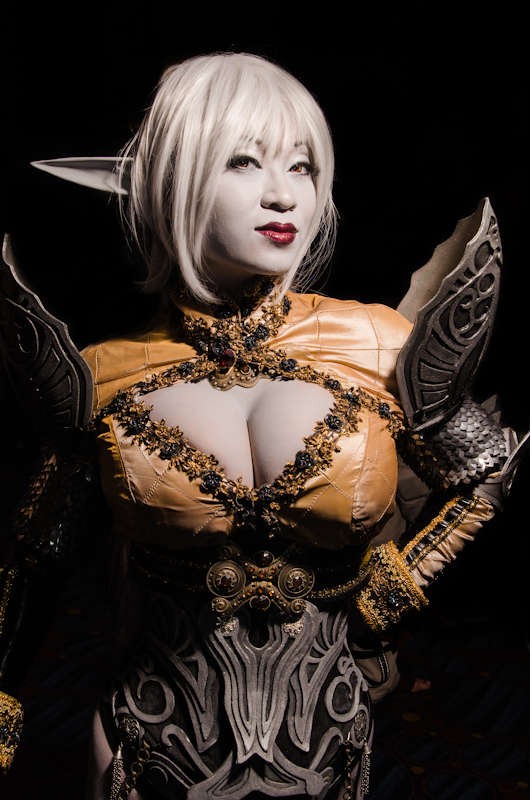
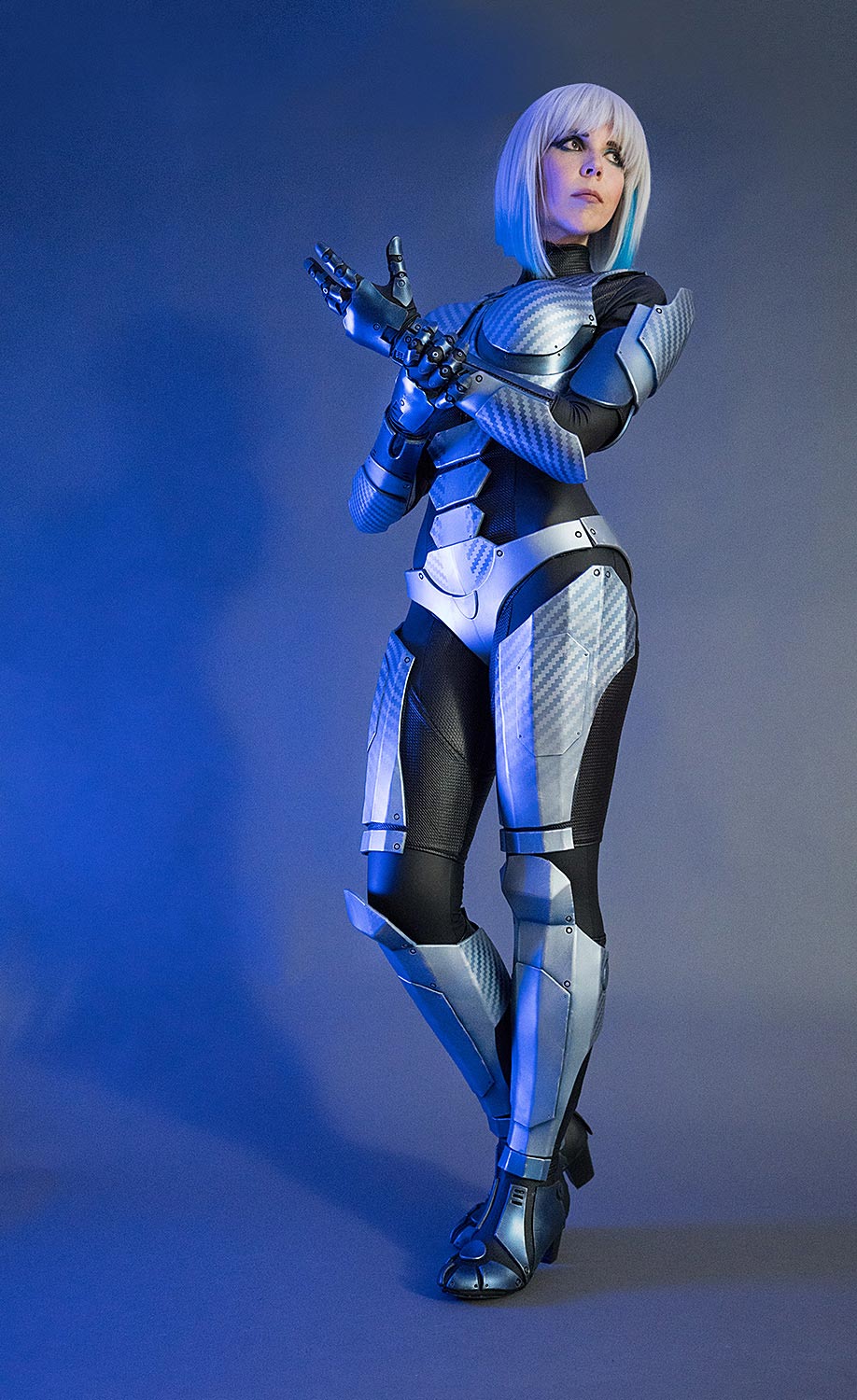
By the 2010s, cosplay had developed a professional tier. Some cosplayers began earning income through sponsorships, commissioned builds, convention appearances, tutorials, and digital content.
Prominent figures helped shape this shift:
- Yaya Han — A leading advocate for cosplay as skilled labor, known for design work, education, and industry partnerships
- Jessica Nigri — One of the first cosplayers to gain mainstream recognition
- Kamui Cosplay — Influential in formalizing armor-building techniques and cosplay education
- Vera Chimera — Known for elaborate builds and cinematic presentation
- Lorena Abreu — Stunt performer, 🎵artist, & goblin ✨
Professional cosplay brought new conversations to the forefront — including credit, consent, monetization, and the distinction between hobbyist and commercial work.
Cosplay Photography: Documenting Transformation


As cosplay evolved, so did the role of photographers. No longer limited to casual snapshots, cosplay photography became its own specialized discipline, blending portraiture, fashion, and storytelling.
helped establish a visual language for cosplay imagery — emphasizing dramatic lighting, environmental storytelling, and collaboration with cosplayers to create editorial-level images.
For many cosplayers, photographers are not accessories to the costume but collaborators who help translate months of work into a lasting visual record.
Social Media and the Cosplay Economy
Social media fundamentally reshaped cosplay.
Platforms like Instagram, TikTok, YouTube, and Patreon transformed cosplay from a convention-based activity into a year-round digital ecosystem. Cosplayers now share progress builds, tutorials, behind-the-scenes videos, and finished looks with global audiences.
This shift created opportunities — visibility, income, creative freedom — but also new pressures. Algorithms reward frequency and engagement. Trends can overshadow craftsmanship. And conversations around harassment, image theft, and crediting have become unavoidable parts of the cosplay landscape.
Still, social media remains the primary engine driving cosplay’s reach and sustainability.
Cosplay as Identity, Art, and Community
Today, cosplay is not confined to accuracy or canon. Gender-bent designs, cultural reinterpretations, mashups, and original characters are widely embraced. For many participants, cosplay is a tool for self-expression, confidence, and community building.
At conventions, cosplay functions as a visual language — a way strangers connect instantly over shared stories. Online, it fosters collaboration across borders, skill levels, and fandoms.
Why Cosplay Matters to A Fixed Moment
Cosplay captures a rare intersection of preparation and spontaneity — months of labor revealed in fleeting moments on convention floors, city streets, and improvised photo shoots.
For A Fixed Moment, cosplay is not about spectacle alone. It’s about documenting the people behind the costumes, the environments that shape them, and the brief moments where imagination becomes visible.
Cosplay is no longer a subculture on the margins.
It is a living, evolving record of how fandom, art, and identity intersect in public space.

